
You don’t need acres of countryside to help wildlife — some of the best refuges for British birds, bees, and hedgehogs are ordinary back gardens. With a few simple changes, even a small plot or a balcony can become a lifeline for the creatures we share the country with. Here’s how to roll out the welcome mat.
Let it get a little wild
The tidiest gardens are often the least wildlife-friendly. A perfectly mown lawn and neatly swept borders leave nowhere to shelter and nothing to eat. The single easiest thing you can do is relax a bit:
- Leave a patch of lawn unmown and let clover, daisies and dandelions flower — they’re a feast for bees.
- Let leaves lie in a quiet corner; they shelter insects that birds and hedgehogs feed on.
- Leave a log pile or a heap of prunings somewhere out of the way — instant habitat for beetles, fungi, and hibernating creatures.
Plant for pollinators
Bees, butterflies and hoverflies are in trouble, and gardens can genuinely help. Aim for something in flower across as much of the year as possible, so there’s always nectar on offer. Single-flowered varieties are far better than showy doubles, which often have little nectar and are hard for insects to access. Lavender, foxgloves, buddleia, catmint and native wildflowers are all reliable crowd-pleasers.
Add water
A source of water transforms a garden for wildlife. It doesn’t need to be grand — even a shallow dish topped up regularly gives birds somewhere to drink and bathe. If you have room for a small pond, even better: ponds are one of the richest wildlife habitats you can create, drawing in frogs, newts, dragonflies and more. Always include a gently sloping side or a ramp so nothing gets trapped.
Help the hedgehogs
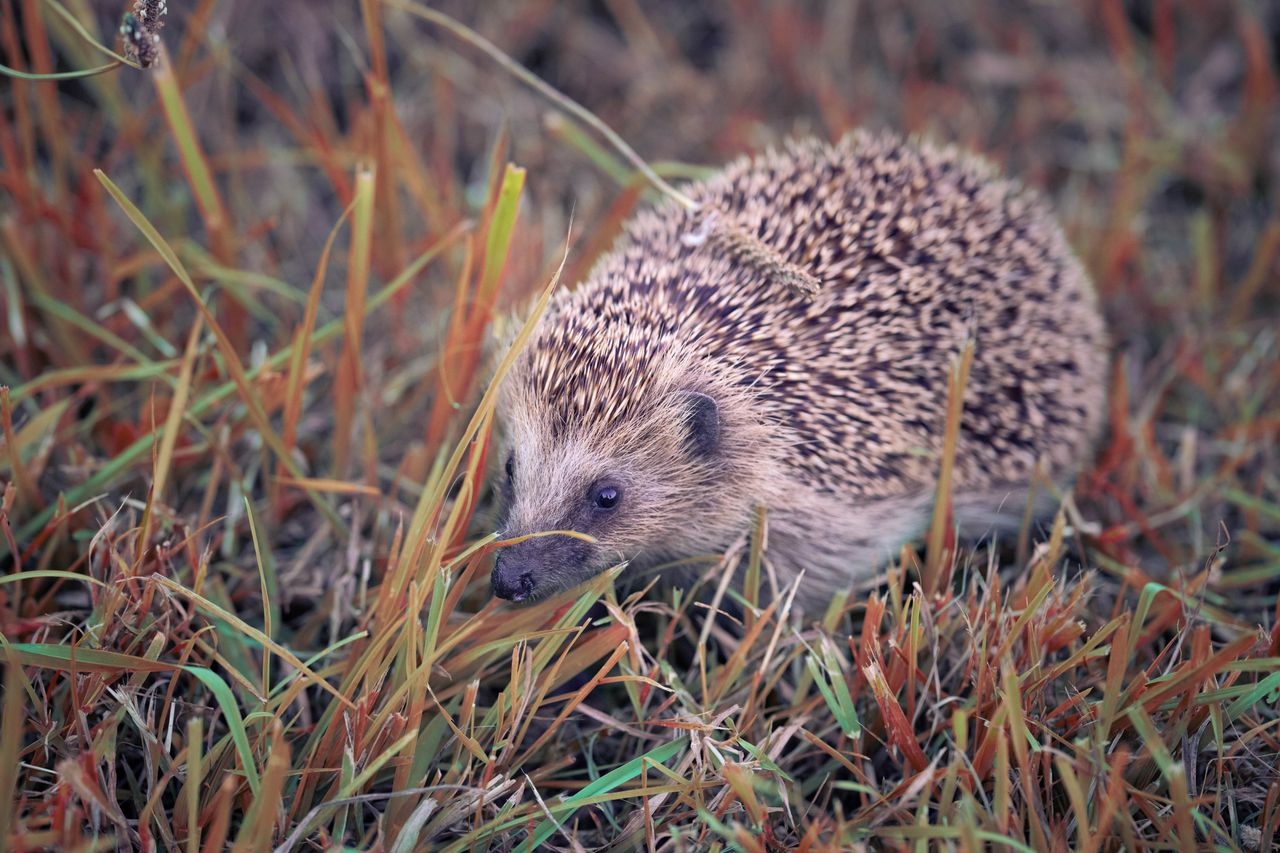
Hedgehog numbers have fallen sharply, and gardens are now vital to them. Two easy wins:
- Cut a “hedgehog highway” — a 13cm x 13cm gap at the base of a fence lets them roam between gardens, which they need to do to find food and mates.
- Skip the slug pellets and check before strimming long grass — both are common causes of hedgehog harm.
A shallow dish of water and a little meaty cat or dog food (never bread or milk) will help them through dry spells.
Feed the birds — responsibly
A well-stocked feeder brings the garden to life, but hygiene matters. Dirty feeders spread disease, so clean them regularly and move them around. Offer a mix — seeds, fat balls, and mealworms suit different species — and keep feeding consistent, especially through winter when natural food is scarce.
Small steps, big difference
The wonderful thing about wildlife gardening is that it rewards less effort, not more. A slightly messier, more relaxed garden is a richer one — buzzing with bees, visited by birds, and quietly hosting hedgehogs after dark. Start with one or two of these changes, and you’ll be amazed how quickly the wildlife finds you.